Project to restore and expand Scotland’s ancient forests provides a boost to moth biodiversity

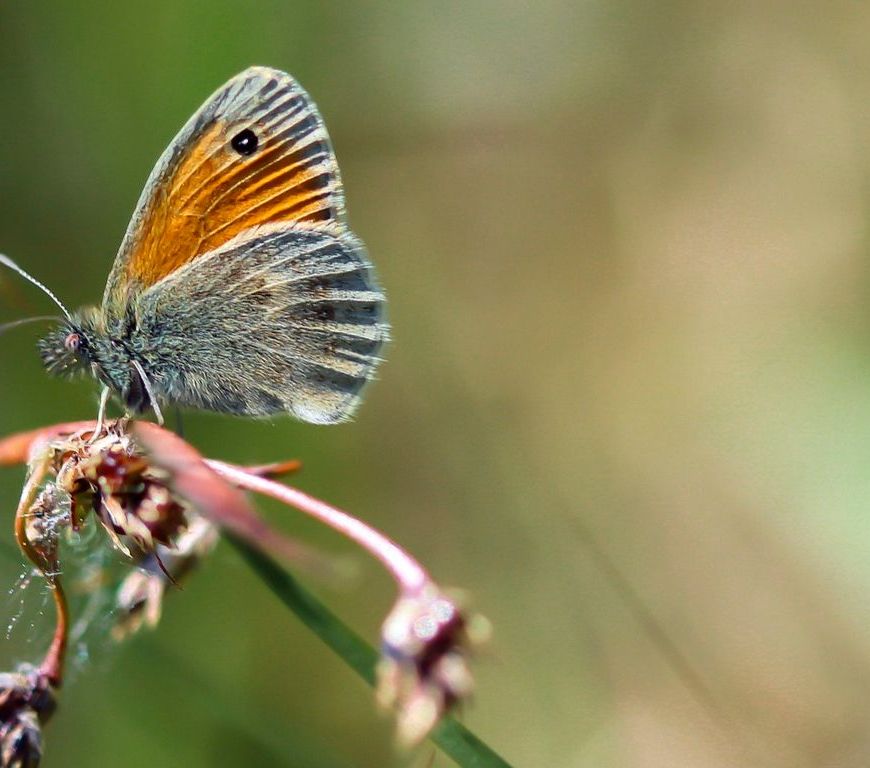
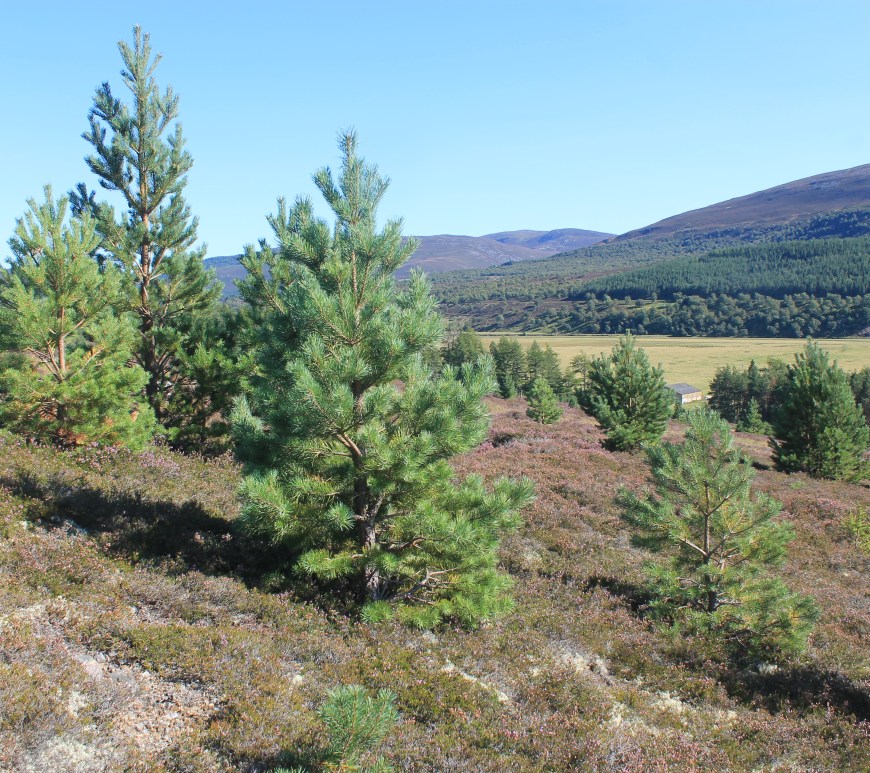
Patrick Cook and his team share their experience investigating how moths respond to a landscape-scale woodland expansion project at Mar Lodge Estate in the Scottish Highlands. Background Upland landscapes in Scotland have a low cover of native woodland yet provides an excellent opportunity to expand woodland cover for biodiversity. For instance, native pinewood now covers less than 18,000 hectares in 84 small areas and an … Continue reading Project to restore and expand Scotland’s ancient forests provides a boost to moth biodiversity

Grassland nature reserves safeguard a high species richness and biomass of grasshoppers

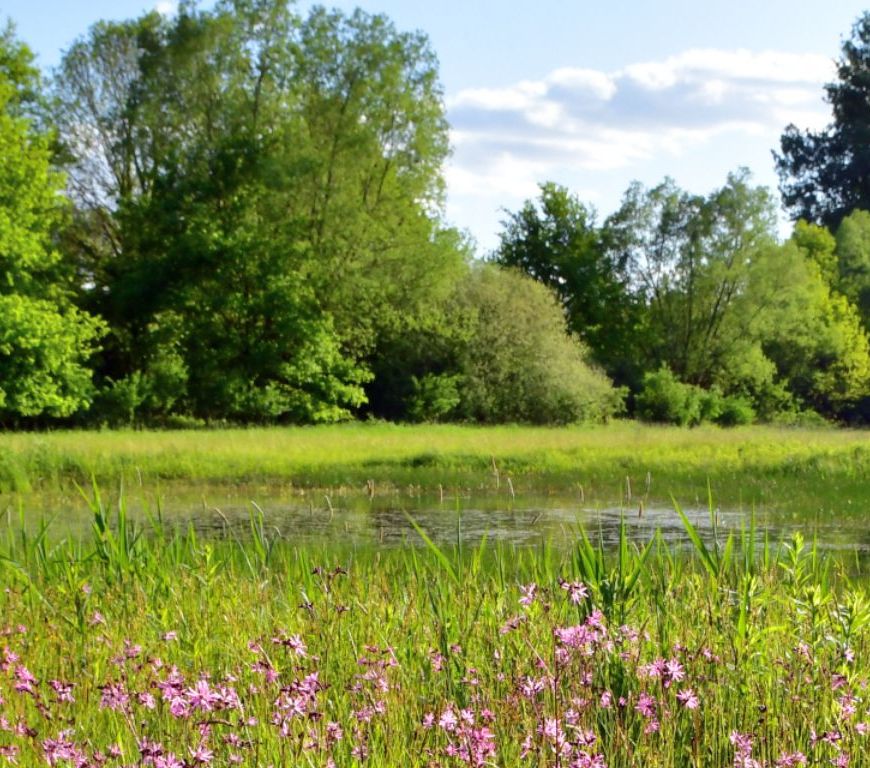
This blog post is also available in German here. Dominik Poniatowski and colleagues describe how they evaluated the environmental drivers of species richness and biomass of grasshoppers in grasslands, comparing this between nature reserves and intensively-used agriculture landscape. Grassland exhibiting low land-use intensity is considered a hotspot of biodiversity in Central Europe. However, particularly since the mid-20th century, grassland land use has often been intensified, … Continue reading Grassland nature reserves safeguard a high species richness and biomass of grasshoppers

Naturschutzgebiete mit einem hohen Anteil an Grünland sichern einen hohen Artenreichtum und eine hohe Biomasse von Heuschrecken

Dieser Beitrag ist hier auch auf Englisch verfügbar. Dominik Poniatowski und Kollegen beschreiben, wie sie die Umweltfaktoren des Artenreichtums und der Biomasse von Heuschrecken im Grünland bewertet und dabei zwischen Naturschutzgebieten und intensiv genutzter Agrarlandschaft verglichen haben. Das extensiv genutzte Grünland gilt als Hotspot der Biodiversität in Mitteleuropa. Allerdings wurde insbesondere seit Mitte des letzten Jahrhunderts die Nutzung auf vielen dieser Flächen intensiviert oder das … Continue reading Naturschutzgebiete mit einem hohen Anteil an Grünland sichern einen hohen Artenreichtum und eine hohe Biomasse von Heuschrecken

Using management interventions to help at-risk butterflies in a changing climate

Author Cheryl Schultz talks us through a new study which highlights the importance of active management interventions in helping to buffer effects of climate change, and helping to improve population trends for at-risk butterflies. Where did the idea come from? With extensive coverage in academic and popular publications, the widespread decline of butterflies is well-known. Butterflies face a triumvirate of threats: the cumulative effects of … Continue reading Using management interventions to help at-risk butterflies in a changing climate

Does incorporating complexity into coastal engineering increase fish diversity along urban shorelines?

Authors of a recently published research article explain how, to enhance fish diversity, it is important to provide three-dimensional habitat architecture that incorporates a wide range of microhabitat sizes and types.  Habitat complexity Habitat complexity is a key driver of marine fish diversity and essential for determining structure and function of fish communities. Many fishes use benthic habitat features (e.g. holes, crevices, vertical reliefs, and … Continue reading Does incorporating complexity into coastal engineering increase fish diversity along urban shorelines?

Georgina Mace Prize 2023: Winner announced for early career researcher award

We’re excited to announce Melanie Dickie as the winner of the 2023 Georgina Mace Prize, celebrating the best article in the journal by an author at the start of their career. Winner: Melanie Dickie Article: Applying remote sensing for large-landscape problems: Inventorying and tracking habitat recovery for a broadly distributed Species At Risk About the research For many species at risk, population declines can be traced … Continue reading Georgina Mace Prize 2023: Winner announced for early career researcher award

Will fish passages alone resolve our river fragmentation problems?

Shortlisted for the Chico Mendes Prize 2023 In their latest Practice Insights article, Henry Hansen and colleagues present a case study that applies a new method to improve current fish habitat models and better guide future restoration efforts. Fragmentation has become a consistent impact in rivers as society’s need for renewable energy continues to grow. The proliferation of hydropower plants supports the world’s shared goal … Continue reading Will fish passages alone resolve our river fragmentation problems?

Applying remote sensing techniques to wide-scale vegetation inventories

Feature image © InnoTech Alberta Originally posted and adapted from The Alberta Biodiversity Monitoring Institute Blog. Author Sydney Toni describes their latest study that explores a more cost-effective way of using remote sensing to better understand landscapes at larger scale for habitat monitoring and management. Ideally, the information we collect to manage wildlife habitat is many things: high-resolution, consistent and covering all areas of interest. The … Continue reading Applying remote sensing techniques to wide-scale vegetation inventories

More and better hedgerows

Jo Staley, Lisa Norton (UK Centre for Ecology & Hydrology) and Rob Wolton (Devon Hedge Group and Hedgelink) present their latest Perspective article calling for and providing recommendations for improving and expanding hedgerows as a valuable habitat and carbon store. Hedgerows, and having more of them, are high on the policy agenda with a target for a 10% national increase by 2050 in the recent … Continue reading More and better hedgerows

Corina Maurer: Different types of semi-natural habitat are required to sustain diverse wild bee communities across agricultural landscapes

Shortlisted for the Southwood Prize 2022 Corina Maurer talks us through her and colleagues’ research on how different kinds of habitats are able to maintain a diverse bee community throughout agricultural landscapes. Habitats and bees Open habitat mosaics, such as grasslands interspersed with hedgerows that existed more than 150 years ago, were home to very diverse wild bee communities. But, the once so diverse and … Continue reading Corina Maurer: Different types of semi-natural habitat are required to sustain diverse wild bee communities across agricultural landscapes