Grassland nature reserves safeguard a high species richness and biomass of grasshoppers

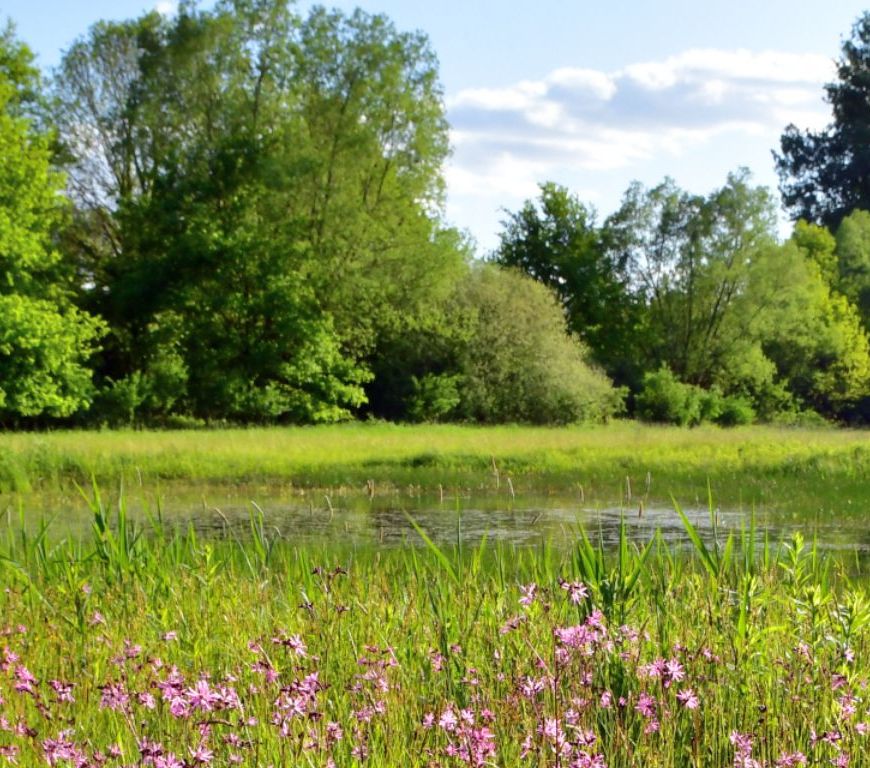
This blog post is also available in German here. Dominik Poniatowski and colleagues describe how they evaluated the environmental drivers of species richness and biomass of grasshoppers in grasslands, comparing this between nature reserves and intensively-used agriculture landscape. Grassland exhibiting low land-use intensity is considered a hotspot of biodiversity in Central Europe. However, particularly since the mid-20th century, grassland land use has often been intensified, … Continue reading Grassland nature reserves safeguard a high species richness and biomass of grasshoppers

Naturschutzgebiete mit einem hohen Anteil an Grünland sichern einen hohen Artenreichtum und eine hohe Biomasse von Heuschrecken

Dieser Beitrag ist hier auch auf Englisch verfügbar. Dominik Poniatowski und Kollegen beschreiben, wie sie die Umweltfaktoren des Artenreichtums und der Biomasse von Heuschrecken im Grünland bewertet und dabei zwischen Naturschutzgebieten und intensiv genutzter Agrarlandschaft verglichen haben. Das extensiv genutzte Grünland gilt als Hotspot der Biodiversität in Mitteleuropa. Allerdings wurde insbesondere seit Mitte des letzten Jahrhunderts die Nutzung auf vielen dieser Flächen intensiviert oder das … Continue reading Naturschutzgebiete mit einem hohen Anteil an Grünland sichern einen hohen Artenreichtum und eine hohe Biomasse von Heuschrecken

Restoring Landscapes: When restoration actions don’t lead to restoration outcomes

As part of the ‘Restoring Landscapes’ blog series, author Jake Williams presents a case study illustrating the value of satellite data in filling the knowledge gap on the effect of passive restoration efforts in different climatic and ecological contexts. With the launch of the ‘Restoring Landscapes’ blog series, it is a timely moment to reflect on the connection between the actions we call “restoration” and … Continue reading Restoring Landscapes: When restoration actions don’t lead to restoration outcomes

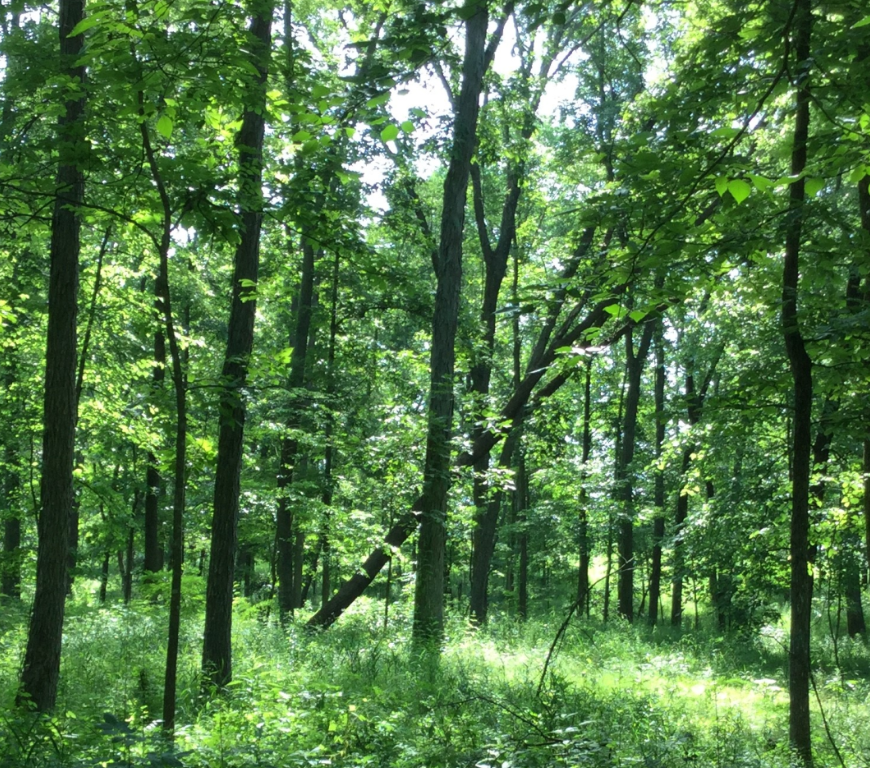
Seed additions facilitate herb-layer restoration in a temperate oak woodland

Originally posted and adapted from Natural History of Ecological Restoration blog. Andrew Kaul and colleagues present their latest research exploring whether seed additions can improve restoration outcomes in oak woodlands. Throughout most of the eastern United States, oak woodlands were once a widespread and dominant ecosystem. These woodlands experienced periodic fires, which prevented woody trees and shrubs from growing so densely that the overstory canopy … Continue reading Seed additions facilitate herb-layer restoration in a temperate oak woodland

FAR-sighted conservation: Facing the inevitability of ongoing environmental change

Chris Thomas and colleagues describe their latest Perspective article outlining a new framework – Facilitate-Accept-Resist (FAR) – that operationalizes conservation decision-making in a way that leads to greater adoption of positive biodiversity change. Conservation is in a bind. The biological world is changing, and so are our human priorities. When we declare a nature reserve on the basis of a particular species, for example, is … Continue reading FAR-sighted conservation: Facing the inevitability of ongoing environmental change

Research stories: Strava, GBIF and Citizen Science

Lead author Caitlin Mandeville recalls how she and her co-authors kept their focus close to home in their latest research that explores connections between citizen science and recreation in natural areas. Just about every community has some small, unassuming natural areas that are mainly known to locals: a neighbourhood park, a small wildlife preserve, a field on the edge of town. These places might not … Continue reading Research stories: Strava, GBIF and Citizen Science

Electric fencing safeguards declining wader populations

Originally posted and adapted from a RSPB Centre for Conservation Science and Vogelbescherming Nederland blog. Insufficient reproduction as a consequence of predation is a major determinant of population decline in ground-nesting birds. Malcolm Burgess and colleagues discuss their latest study on the effectiveness of using electric fences as a preventative measure. A common driver of the decline of ground-nesting meadow birds, especially waders, is insufficient … Continue reading Electric fencing safeguards declining wader populations

De Frenne & Vangansbeke: How dogs fertilize nature reserves and woodlands close to cities

Research by De Frenne et al. published earlier this year revealed that dogs excrements contribute a significant amount of nutrients to nature reserves and warned of their potential negative impact on local biodiversity. Here, the authors respond to the international media coverage and the subsequent questions and comments they have received since their study went global. We recently published an article in Ecological Solutions and … Continue reading De Frenne & Vangansbeke: How dogs fertilize nature reserves and woodlands close to cities

Chico Mendes Prize 2021: early career practitioner winner announced

We’re excited to announce Alexandro Leverkus as the winner of the 2021 Chico Mendes Prize, celebrating the best Practice Insights article in the journal by an author at the start of their career. Winner: Alexandro Leverkus Research: Enabling conditions for the implementation and conservation outcomes of a private nature reserve About the study Public nature reserves are often the cornerstone of nature conservation but are … Continue reading Chico Mendes Prize 2021: early career practitioner winner announced

Can ‘Citizen Scientists’ play a valid role in conservation management?

The emergence of citizen science in biodiversity monitoring has transformed the methods by which biodiversity surveys can be conducted. With the recent development of automatic visual identification tools, Pierre Bonnet and colleagues present two distinct case studies implementing citizen science and the use of Pl@ntNet, an automatic plant identification platform. This article is part of the BES cross-journal special feature on Citizen Science. Effective monitoring … Continue reading Can ‘Citizen Scientists’ play a valid role in conservation management?