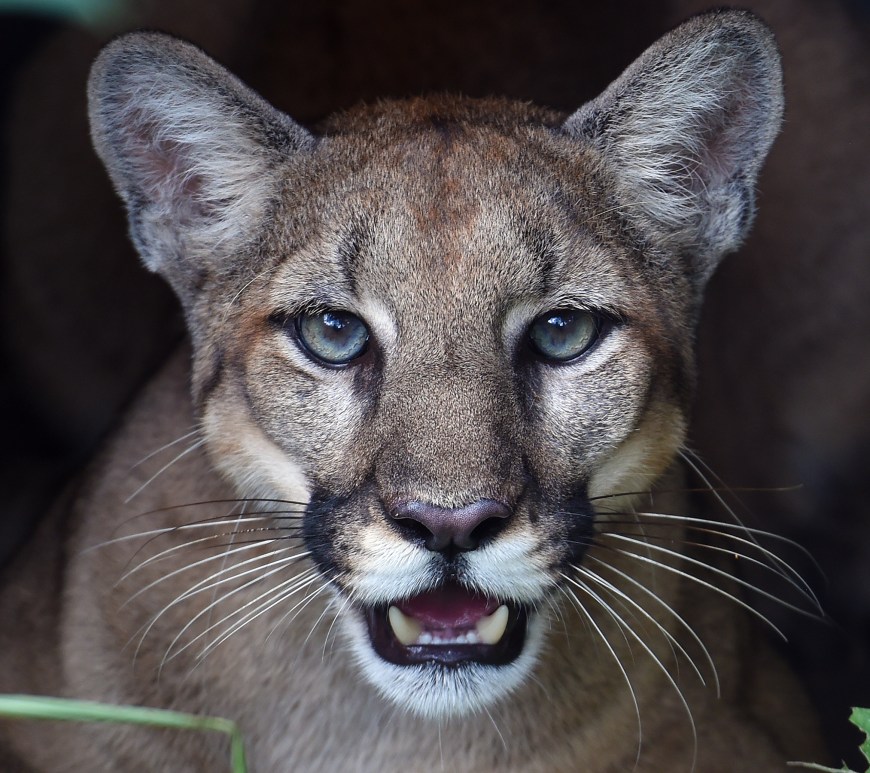
Impacting habitat connectivity of the endangered Florida panther for the transition to utility‐scale solar energy

In a new study, Leskova and colleagues examined the impacts of utility-scale solar energy (USSE) facility installations on habitat connectivity for Florida Panther within Peninsular Florida. Faced with the challenge of meeting increasing global energy demands and pressure to shift from conventional fossil fuels to renewable energy sources to mitigate climate change, the environmental trade-offs associated with renewable energy’s implementation are becoming increasingly apparent. Unfortunately, … Continue reading Impacting habitat connectivity of the endangered Florida panther for the transition to utility‐scale solar energy

Evaluierung von GAP-Wildpflanzenblühstreifen: Hochwertige Saatgutmischungen erhöhen die Pflanzenvielfalt und die damit verbundenen Pollen- und Nektarressourcen auf Ackerflächen erheblich

Dieser Beitrag ist hier auch auf Englisch verfügbar In ihrer neuen Studie untersuchten Schmidt et al., die Wirksamkeit von Wildblumenstreifen, die im Rahmen der EU Agrarumweltprogramme eingeführt wurden Blühstreifen sind ein wesentlicher Bestandteil der Agrarumwelt- und Klimamaßnahmen (AUKM), die von der Europäischen Union eingeführt wurden, um dem Verlust der biologischen Vielfalt und der damit verbundenen Ökosystemleistungen in der Agrarlandschaft entgegenzuwirken. Mehrjährige Blühstreifen werden einmalig zu Beginn … Continue reading Evaluierung von GAP-Wildpflanzenblühstreifen: Hochwertige Saatgutmischungen erhöhen die Pflanzenvielfalt und die damit verbundenen Pollen- und Nektarressourcen auf Ackerflächen erheblich

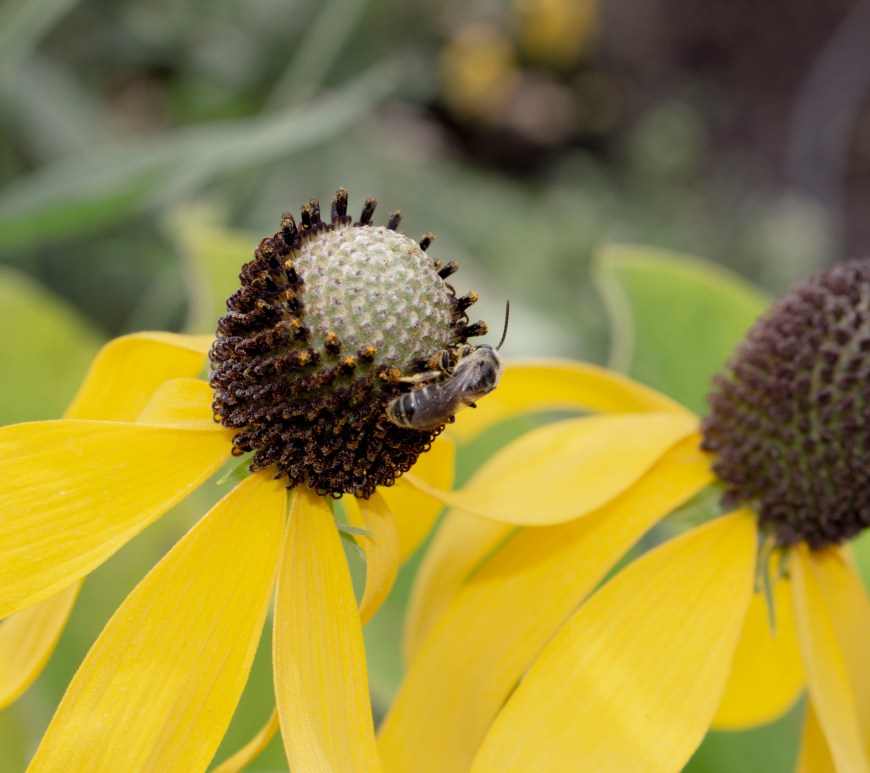
Evaluating CAP wildflower strips: high-quality seed mixtures significantly improve plant diversity and related pollen and nectar resources

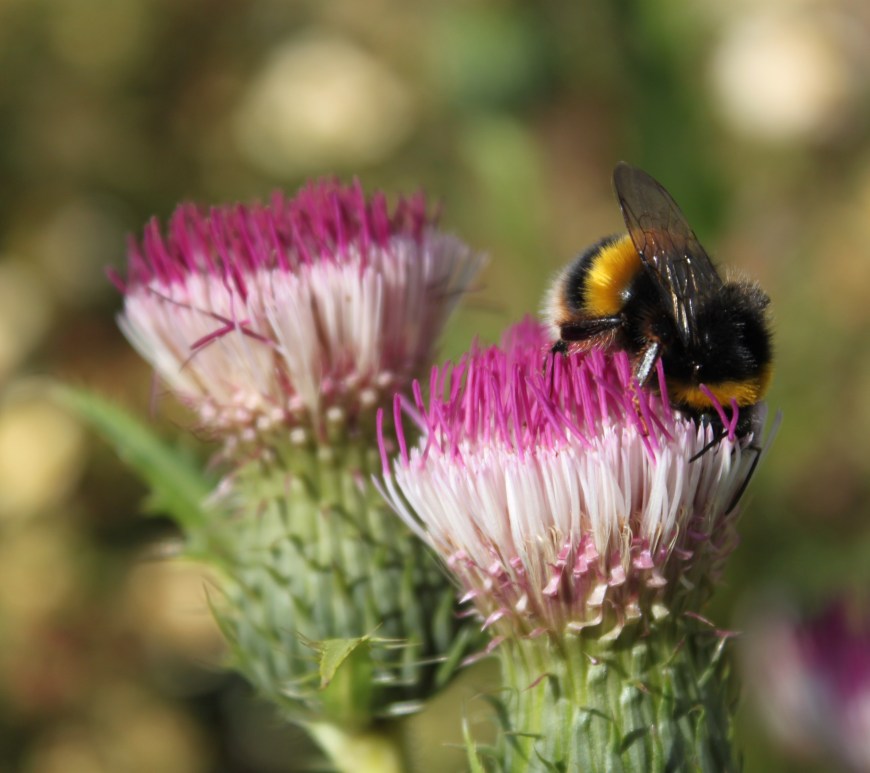
This post is also available in German here In their new study, Schmidt and colleagues investigate the effectiveness of wildflower strips introduced under the European Union’s Agri-Environment Schemes Flower strips are a fundamental part of agri-environment schemes (AES) introduced by the European Union to counteract the loss of biodiversity and related ecosystem services in agricultural landscapes. At the beginning of every funding period (approx. 5 … Continue reading Evaluating CAP wildflower strips: high-quality seed mixtures significantly improve plant diversity and related pollen and nectar resources

New Associate Editors: February 2022

We are delighted to welcome three new Associate Editors to the Journal of Applied Ecology editorial board: Sarah Faye Harpenslager, Francesca Pilotto and Fraser Januchowski-Hartly. Find out more about them and their research interests below: Sarah Faye Harpenslager, B-Ware research centre, Netherlands. Sarah Faye is a biogeochemist and aquatic ecologist. Her main research interests comprise the cycling of nutrients, the interaction between plants and their … Continue reading New Associate Editors: February 2022

(A) Hodgson’s frogmouth, (B) Gould’s shortwing, (C) Fire-tailed myzornis (Phub Dorji)

The fragile Himalayas and the balancing act!

Ugyen Penjor discusses their latest research, conducted with colleagues Sherub Sherub and Rinzin Jamtsho, which explores the effects of land-use change on the functional and phylogenetic diversity of Eastern Himalayan bird communities. Envision the Himalayas – snow-clad mountains, jagged peaks, ruddy-cheeked people, and of course the ‘Abominable Snowman’ or The Yeti. But what is more exciting about the Himalayas is the biodiversity. The Himalayas can … Continue reading The fragile Himalayas and the balancing act!

Tortoises are unlikely to be detrimental for endemic skinks. A Telfair’s skink is basking on the head of an introduced Aldabra giant tortoise. Photo Nik Cole.

Seven years of rewilding with giant tortoises

Rosemary Moorhouse-Gann speaks on their latest research which investigates how rewilding Giant Tortoise can affect an Island ecosystem. The dodo, perhaps the most famous animal originating from Mauritius, is tragically extinct. Less well known are the two extinct species of giant tortoise that were found only in Mauritius. You can see shadows of the lost tortoises in Mauritian plant communities today, in the form of … Continue reading Seven years of rewilding with giant tortoises

2021 Spotlight Virtual Issue

We’re delighted to announce that the 2021 Spotlight Virtual Issue is now online. Each year, the  Journal of Applied Ecology Editors select a collection of articles from the previous publication volume for a Spotlight Virtual Issue to showcase important new research from the Global South. The articles within the Virtual Issue are free to read for the year so that they can be accessed by all … Continue reading 2021 Spotlight Virtual Issue

Sensory ecology in conservation breeding programmes: an overlooked, but vital, consideration

Captive breeding programmes are key to species reintroduction strategies, but could potentially be associated with adaptations that are maladaptive in their natural habitat. In a recent paper, Chris Freelance and colleagues explored differences in sensory organ morphology between wild and captive-bred populations of a critically endangered insect. Captive breeding programmes are a well-established part of threatened species conservation strategies. These programs create insurance populations against … Continue reading Sensory ecology in conservation breeding programmes: an overlooked, but vital, consideration

Bird-friendly agriculture: finding the right balance to benefit birds and farmers

Promoting birds in agroecosystems is contentious. In their latest research, Olivia Smith and colleagues demonstrate how farmers can use landscape and farm diversification practices to harness ecosystem services from birds while reducing negative trade offs. Birds play many roles in human societies, including as consumers of crops and pests, carriers of pathogens and beloved icons. Consider, for example, the nearly globally distributed barn swallow. The … Continue reading Bird-friendly agriculture: finding the right balance to benefit birds and farmers

The surprising connections between deer and the forest canopy

Ungulates place immense consumptive pressure on forest vegetation globally, leaving legacies of reduced biodiversity and simplified vegetative structure. In their latest research, Samuel Reed and colleagues sought to determine whether browse-induced changes occurring early in succession ultimately manifest themselves in the developed forest canopy. Herbivores are incredibly influential around the world and can re-shape entire ecosystems over time. In North American temperate forests, white-tailed deer … Continue reading The surprising connections between deer and the forest canopy